Roundup
The Best Stainless Steel Cookware Sets of 2026
Clad sets ranked on longevity, with the piece-count maths and the sets worth owning.
Top pick: Tramontina Signature Tri-Ply Clad Cookware Set
12 guides and reviews
Most people buy too many pans and keep them for too short a time. This section is about doing the reverse.
Every pick below links straight to the live Amazon listing. We never print a price, because a printed price is wrong within a month.
Roundup
Clad sets ranked on longevity, with the piece-count maths and the sets worth owning.
Top pick: Tramontina Signature Tri-Ply Clad Cookware Set
Roundup
The four tests a pan must pass to be a genuine lifetime purchase, and the ones that pass them.
Top pick: Heritage Steel Titanium Series Fry Pan
Roundup
Genuinely clad cookware at low prices, plus how to spot the disc-bottom pans sold under the same words.
Top pick: Tramontina Signature Tri-Ply Clad Cookware Set
Roundup
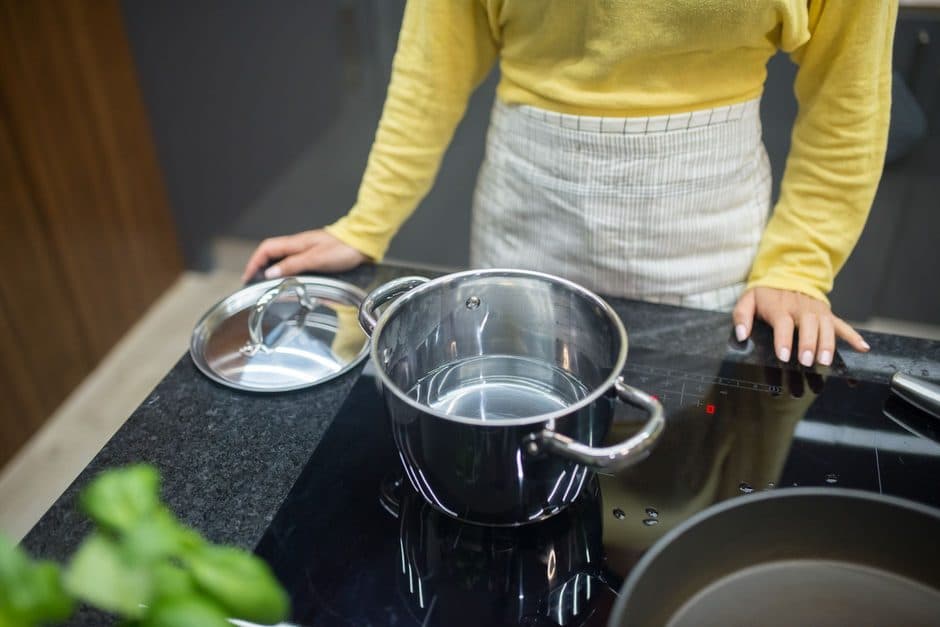
Induction-ready clad cookware, with the base-flatness problem most guides never mention.
Top pick: Demeyere Industry 5 Fry Pan
Roundup
The brands that actually build cookware in the US, and what the label does and does not cover.
Top pick: All-Clad D3 Stainless Fry Pan
Comparison
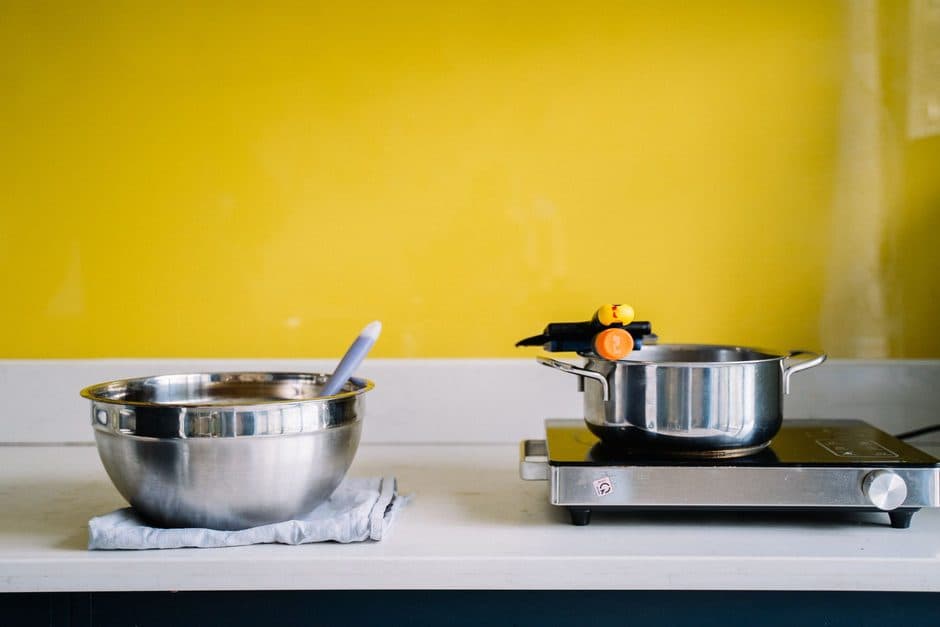
The real arithmetic behind set pricing, and which approach fits which situation.
Top pick: Tramontina Signature Tri-Ply Clad Cookware Set
Comparison
Our thesis: two pans do most of the work, so buy those two properly and add the rest only when you miss them.
Top pick: All-Clad D3 Stainless Fry Pan
Guide
Material-by-material lifespans, how each one actually fails, and what the warranties do and do not cover.
Top pick: Heritage Steel Titanium Series Fry Pan

Guide
A brand-by-brand table of what each lifetime warranty covers and, more importantly, what it excludes.
Top pick: All-Clad D3 Stainless Fry Pan
Guide
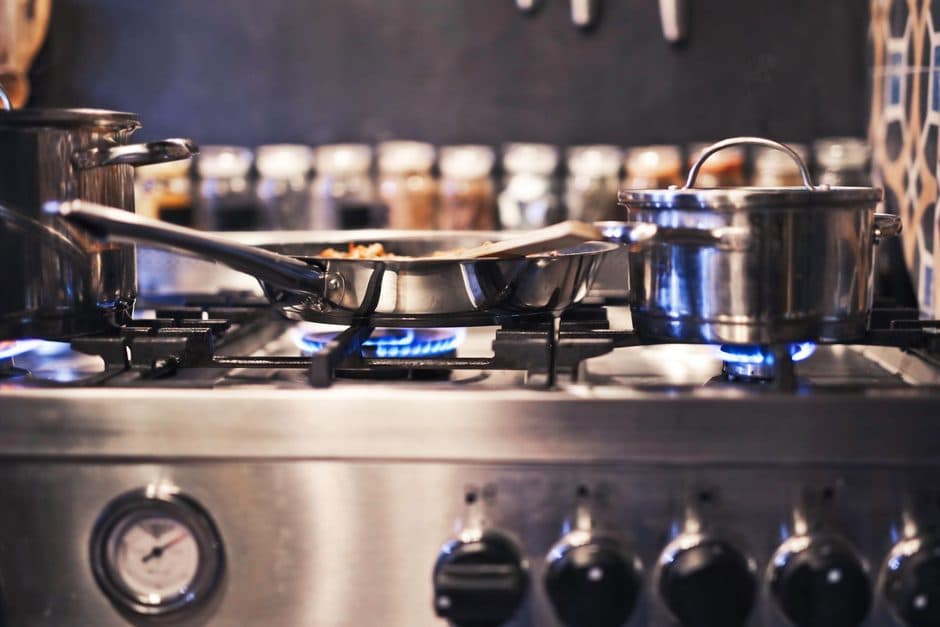
How gas heat differs, what to look for in a pan, and the handle problem specific to open flame.
Top pick: All-Clad D3 Stainless Fry Pan
Roundup
Gift picks by recipient, plus the size, hob and storage checks to make before buying cookware for someone else.
Top pick: Made In Stainless Clad Saucier
Roundup
Gift-budget cookware that is genuinely clad, and the disc-bottom trap that catches buyers at this price.
Top pick: Tramontina Signature Tri-Ply Clad Fry Pan
A ten-piece cookware set is an efficient way to sell cookware and an inefficient way to buy it. The arithmetic is simple enough that brands avoid stating it plainly: a set prices as though every piece matters equally, but in a normal kitchen two or three pieces do almost all the work and the rest occupy a cupboard. Counting lids as pieces — which nearly every brand does — makes a set look larger than it is.
That is not an argument against ever buying a set. It is an argument for knowing which situation you are in. If you are furnishing a kitchen from nothing, a good fully-clad set is genuinely the cheapest route to competent cookware across the board, and the Tramontina Signature line is the one we would hand someone in that position without hesitation. If you already own pans and are replacing them one bad pan at a time, a set is close to the worst way to spend the money — you will pay for six pieces to fix two. We take that decision apart in set vs buying piece by piece.
Watch what actually comes off the rack over a month and the distribution is lopsided. A skillet and a three-quart saucier will cover something close to 80% of what a home cook makes. Everything else — the stockpot, the sauté pan, the second saucepan, the eight-inch skillet that seemed like a good idea — is occasional. The honest recommendation for most people is not a set at all: buy those two pieces at a quality level you would not otherwise afford, then add the third pan only when you have genuinely missed it twice. That argument is the thesis of this site and it has its own page, the two-pan kitchen.
The phrase gets used loosely. For cookware it means four specific things, and they are all checkable before you buy.
Fully clad, not disc-bottomed. A disc bottom is a slab of aluminum welded to the base of a single-layer pot. Welds are the failure point, and a disc can separate in a way a bonded laminate does not. Fully clad means the layers run rim to rim.
A published oven rating you will not exceed. Overheating is the most common way a good pan dies, and it is excluded from every warranty in the category. A 500F pan in a house that broil-finishes steaks is a pan on borrowed time.
A warranty you have actually read. All-Clad's lifetime warranty covers defects in material, construction or workmanship, and explicitly excludes normal wear, discoloration, warping from high heat or heating empty, misuse, dishwasher damage to nonstick, and commercial use. Made In's excludes warping from excessive heat or thermal shock, normal wear, metal-utensil marks and dishwasher staining. Those exclusions are reasonable. They also cover the two ways your pan is most likely to fail.
A company likely to still exist. A lifetime warranty from a five-year-old direct-to-consumer brand and one from a manufacturer that has been bonding metal in the same Pennsylvania town since 1971 are not the same instrument, whatever the wording says.
Divide the price by the years you will realistically keep it. A $60 pan replaced every six years costs $10 a year. A $180 pan kept for thirty costs $6. On that arithmetic the expensive pan wins — but only if you actually keep it for thirty years, which means not warping it, not putting it through a dishwasher that voids the terms, and not getting bored of it. The buy-it-for-life case is a case about your behavior at least as much as about the metal, and anyone selling you the expensive pan has a reason not to mention that half.
Which is also why the honest answer is sometimes the cheap one. If you are the kind of cook who will put a hot pan under a cold tap, buy the Tramontina and accept that you will replace it. You will be better off than someone who bought the All-Clad and did the same thing to it.
Per piece, yes. Per piece you will actually use, often no. Sets count lids as pieces and include shapes most kitchens use twice a year. Count only the pieces you will reach for weekly and rerun the arithmetic.
Fully-clad stainless and cast iron, by a wide margin. Neither has a coating to wear off. Between them, clad stainless is more versatile and cast iron is more forgiving of abuse.
Almost never. All-Clad and Made In both explicitly exclude warping caused by high heat or thermal shock. Lifetime warranties cover manufacturing defects, which is a much narrower promise than the phrase implies.
Three covers nearly everyone: a 12-inch skillet, a 3-quart saucier and a stockpot. A fourth pan should be bought because you have missed it twice, not because a set included it.
For sauces and anything that clings, yes. Disc bottoms leave the walls as single-layer stainless, which scorches. For boiling water they are perfectly adequate and cheaper.
For most cooking, yes, because it has no coating to degrade. Keep one nonstick pan for eggs and delicate fish, replace it when it wears out, and let stainless do everything else.