
Roundup
The Best Stainless Steel Skillets of 2026
Five clad skillets ranked on longevity, with the warranty exclusions each brand would rather you skimmed past.
Top pick: All-Clad D3 Stainless Fry Pan
9 guides and reviews
The one pan you will use more than every other pan combined. Which means it is the one worth getting right.
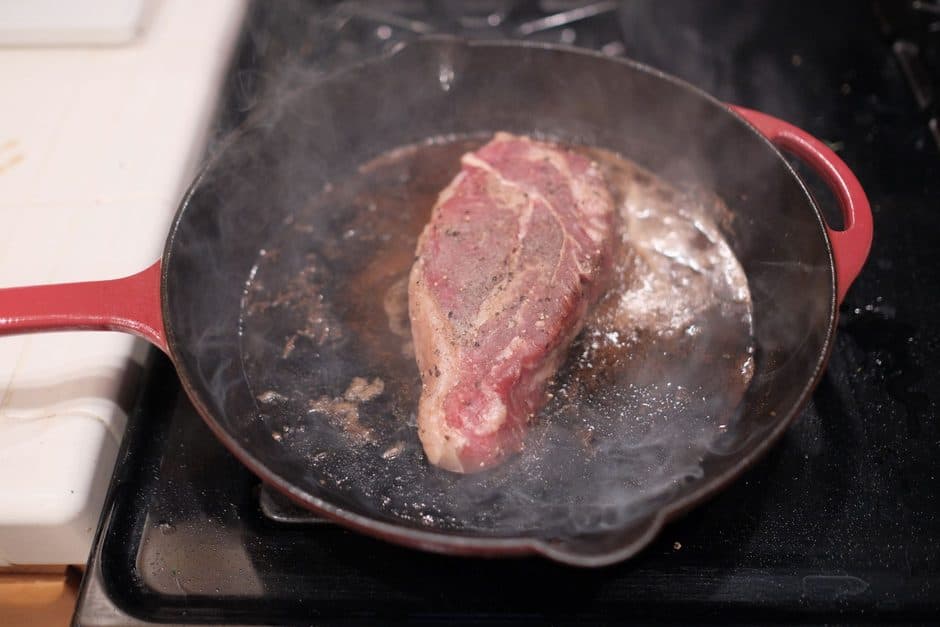
Every pick below links straight to the live Amazon listing. We never print a price, because a printed price is wrong within a month.
Roundup
Five clad skillets ranked on longevity, with the warranty exclusions each brand would rather you skimmed past.
Top pick: All-Clad D3 Stainless Fry Pan
Roundup
Three genuinely good inexpensive clad skillets, and the specific compromise each one makes.
Top pick: Tramontina Signature Tri-Ply Clad Fry Pan
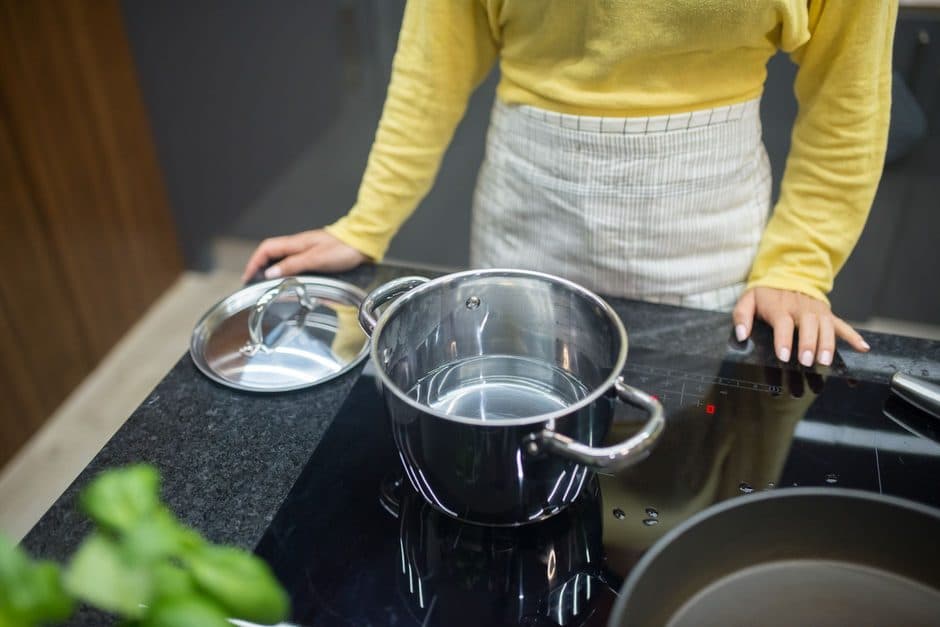
Roundup
Induction-ready clad skillets, plus the flatness problem that ruins pans on a glass hob.
Top pick: All-Clad D3 Stainless Fry Pan
Comparison
Usable surface, weight, burner fit and the crowding problem, with a straight recommendation at the end.
Top pick: All-Clad D3 Stainless Fry Pan
Review
A durability-first review of the tri-ply benchmark, including what its lifetime warranty does not cover.
Top pick: All-Clad D3 Stainless Fry Pan
Review
A close look at the value benchmark: real clad construction, a 500F ceiling, and a lighter gauge.
Top pick: Tramontina Signature Tri-Ply Clad Fry Pan
Guide
What searing demands of a pan, where stainless wins over cast iron, and the skillet we would use.
Top pick: All-Clad D3 Stainless Fry Pan
Guide
A sizing guide by household and burner, with the buying order most people get backwards.
Top pick: All-Clad D3 Stainless Fry Pan
Guide
Seasoning, reactivity, heat behavior and longevity compared, with a clear verdict for each kind of cook.
Top pick: All-Clad D3 Stainless Fry Pan
If you only ever buy one piece of stainless cookware, buy a skillet. Not because it is the most versatile shape in the abstract, but because it is the pan that gets pulled off the rack five nights a week: eggs, chicken thighs, the onions that start everything else. It also happens to be the shape where the difference between a good clad pan and a bad one is most obvious, because searing punishes uneven heat in a way that boiling water never will.
Here is the thing most skillet roundups will not tell you: above a certain floor, the cooking differences between fully-clad skillets are small. Put an All-Clad D3 and a Tramontina Signature side by side on the same burner and most cooks could not reliably pick which is which from the food. What separates them is not how they cook this week. It is how they behave in year eight — whether the base has gone convex and rocks on a flat induction hob, whether the rivets have loosened, whether the handle still feels like part of the pan.
That is the axis we grade on, and it is the axis that has actual published evidence behind it. America's Test Kitchen runs the most brutal durability protocol in the category: they heat pans to 500F, plunge them into ice water to see what warps, then strike each one three times against a concrete platform. Most pans came out of that with pronounced dents, one handle loosened and another nearly came off. The All-Clad came out with barely a ding. That is a longevity result, not a cooking result, and it is the kind of evidence this site weights heaviest.
Size. Almost everyone reaches for a 10-inch and then wishes they had a 12-inch about twice a month. The 12-inch gives you roughly 40% more usable cooking surface, which is the difference between four chicken thighs browning and four chicken thighs steaming in their own moisture. It is also heavier, harder to store, and does not fit a small burner well. We walk through the real trade-off in 10-inch vs 12-inch.
Ply count. Tri-ply and 5-ply behave differently, but not in the direction the marketing implies. More plies means steadier heat and slower response. Steadier is better for a long braise; slower is worse when you need to pull heat out of a pan sauce before it splits. Neither is universally better, and a brand that sells only 5-ply has an obvious reason to tell you otherwise. The honest version is in tri-ply vs 5-ply.
Oven rating. This one is genuinely under-discussed and it is a hard number you can check. All-Clad publishes 600F. Made In and Heritage Steel publish 800F. Tramontina and Zwilling publish 500F. Hestan's NanoBond publishes 1050F. If you finish steaks under a broiler, that spread is the difference between a routine technique and a warranty argument — and warping from heat is explicitly excluded from every one of these warranties.
Clad skillets almost never wear out in the way people expect. The cooking surface does not erode; stainless is far harder than anything you will put in it. Three things kill them instead. The first is warping, usually from thermal shock: a screaming-hot pan hitting cold water, which makes the aluminum core and the stainless skins expand at different rates until the base takes a set. The second is rivet failure, where the handle slowly works loose and the pan develops a wobble you can never quite ignore. The third is delamination, where the bonded layers separate at the rim — rare on good pans and essentially a manufacturing defect, which is the one failure every warranty here does cover.
Read those three in order and a pattern appears: the two common failures are the two that warranties exclude, and the rare one is the one they cover. That is not a scandal, it is how product warranties work, but it does mean "lifetime warranty" is a much weaker promise than it sounds. We put the actual exclusion language side by side in cookware lifetime warranties compared.
Almost every complaint about stainless skillets is really a complaint about preheating. Steel is not nonstick and never will be, but a properly preheated steel pan releases food far better than most people expect, and the test for "properly preheated" takes four seconds and a drop of water. If you are here because your last pan frustrated you rather than because it broke, start with why food sticks to stainless steel before you buy anything. It may save you the purchase entirely.
A 12-inch, if your burner and your storage can take it. It has roughly 40% more usable surface than a 10-inch, which is the difference between browning a full batch of chicken thighs and steaming them. Buy the 10-inch as the second pan, not the first.
For cooking, barely. A Tramontina Signature tri-ply and an All-Clad D3 produce food most people cannot tell apart. For longevity, yes: heavier gauge, better rivets and a service history are what the extra money buys, and those only show up after several years.
Tri-ply is enough for most cooking. Five plies buy steadier heat and slower response, which helps on a weak or uneven burner and hurts when you need a pan to react. It is a trade, not an upgrade.
It depends on the brand, and the difference is real. Tramontina, Misen, Zwilling, Demeyere and Hestan publish dishwasher-safe ratings. All-Clad, Made In and Heritage Steel say handwash. Dishwasher damage is also excluded from most warranties.
Check the brand, because the spread is wide: Tramontina and Zwilling publish 500F, All-Clad 600F, Made In and Heritage Steel 800F, Hestan NanoBond 1050F. Exceeding it risks warping and discoloration, both of which warranties exclude.
That is heat tint, a thin oxide layer that forms when the surface gets hot. It is cosmetic and harmless, and Bar Keepers Friend removes it. It is not a defect and it is not a sign you have ruined the pan.