Cookware Sets & Buy-It-For-Life
Cookware Set vs Buying Piece by Piece
One question decides it: are you furnishing a kitchen, or fixing one?
Disclosure: Ply & Pan earns a commission on qualifying purchases made through links on this page. We take no free product and no sponsorship, and we never print a price. How we are funded.
Quick picks
The short answer. Tap any row for the full write-up.
| # | Product | Best for | Score | Price |
|---|---|---|---|---|
| 1 | 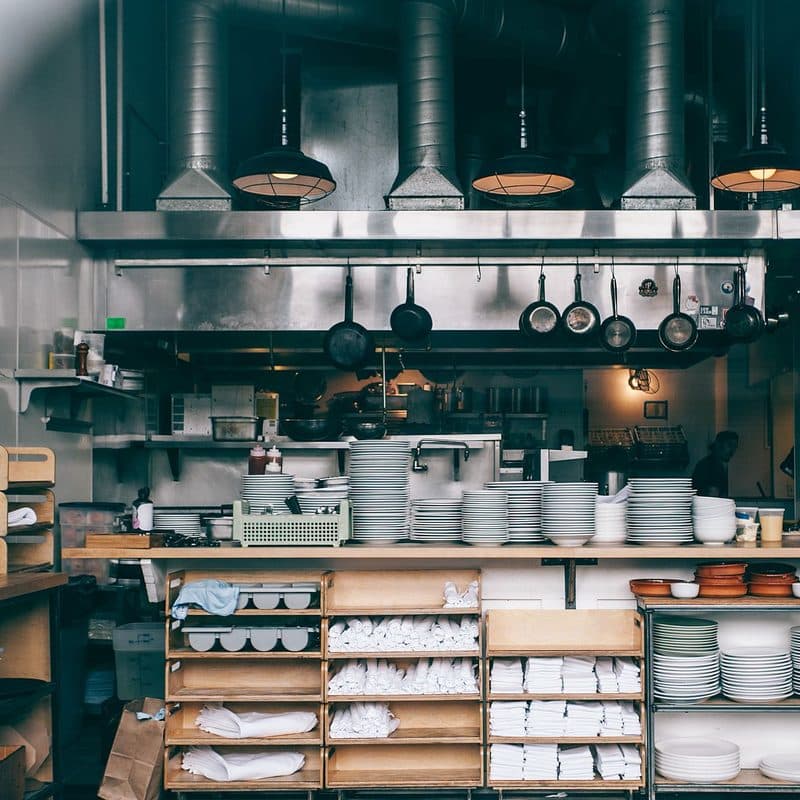 Tramontina Signature Tri-Ply Clad Cookware SetFully clad throughout, so the set route does not cost you construction quality. | Furnishing a kitchen from nothing | 8.9 | |
| 2 | 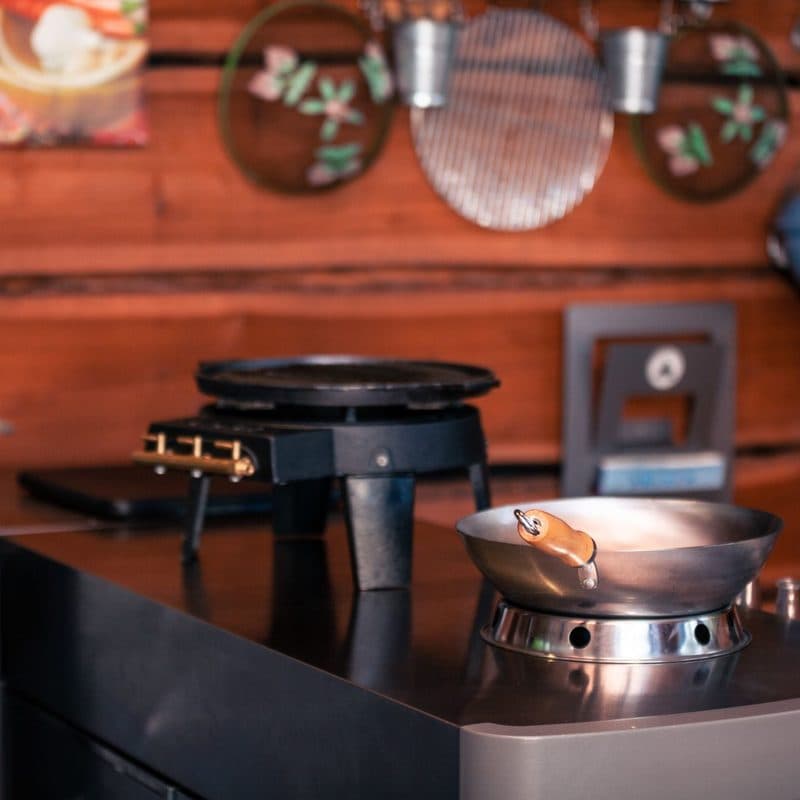 All-Clad D3 Stainless Fry PanBuying individually is how you afford this. A set of these is paying premium prices for shapes you will not use. | Replacing one pan at a time, properly | 8.8 | |
| 3 | 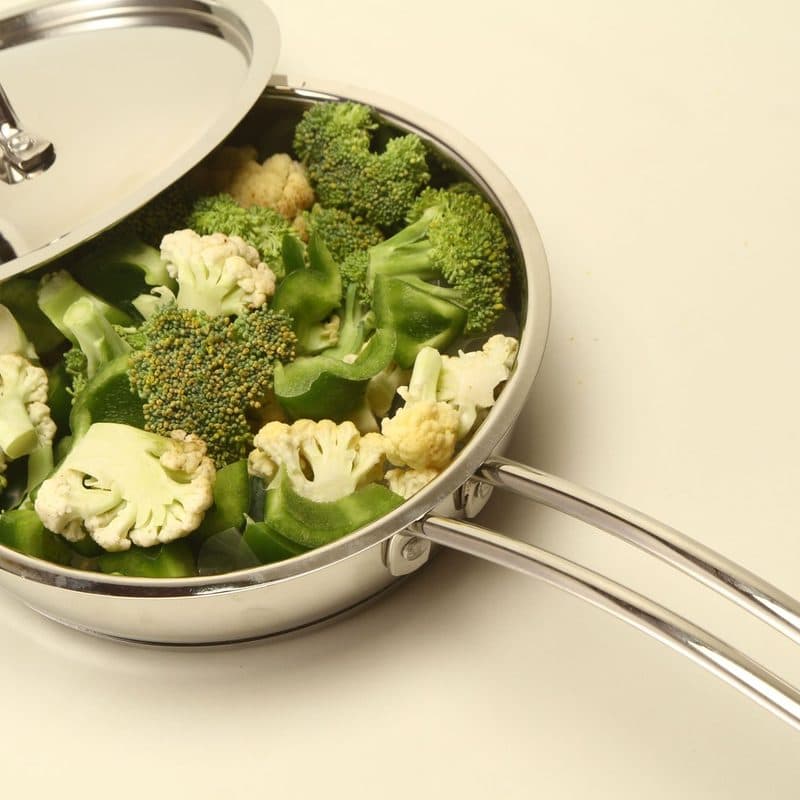 Made In Stainless Clad SaucierSets ship three saucepans and no saucier. This is the single best argument for buying individually. | The shape almost no set includes | 8.9 |
#ad Buy links are affiliate links. We never print a price — prices change weekly and a printed one is wrong within a month, so every link goes to the live Amazon listing. How we are funded.
The short version
Buy a set if you are furnishing a kitchen from nothing. Buy piece by piece in every other situation — and particularly if you already own pans and are replacing them as they fail, because then you will pay for six pieces to fix two.
The arithmetic, done properly
Set pricing works because it compares a set price against the sum of individual prices. That comparison is real and also misleading, because it assumes every piece has equal value to you.
Do it this way instead. Count only vessels, not lids or inserts — a twelve-piece set is often seven vessels. Then strike out any vessel you would not reach for in a normal week. For most households that leaves three or four: a large skillet, a medium saucepan, a stockpot, perhaps a sauté pan. Divide the set price by that number and compare against buying those three or four individually.
Sometimes the set still wins, particularly at the budget end where individual pieces are hard to source. Often it does not, and the gap widens as the price per piece rises — which is why buying premium brands by the set is the worst version of this decision.
Side by side
| Buying a set | Buying piece by piece | |
|---|---|---|
| Price per piece | Lower | Higher |
| Price per piece used | Often higher | Lower |
| Quality achievable per dollar | Spread thin across shapes | Concentrated where it matters |
| Shape selection | Fixed by the manufacturer | Yours |
| Gets you a saucier | Almost never | Yes |
| Visual consistency | Matched | Mixed, unless you stay with one brand |
| Best for | Empty kitchen, single purchase | Upgrading, replacing, specific needs |
What sets consistently get wrong
Too many saucepans. Most sets include three. Two is plenty, and the third will sit at the back.
No saucier. The most useful pan most kitchens do not own, and it is almost never in the box. See saucier vs saucepan.
An 8-inch skillet nobody uses. It is there to raise the piece count.
Glass lids. Rated far lower than the pans, and the first thing to break.
Clad skillets, disc-bottom pots. The most consequential shortcut, and it is invisible unless you look at the rim.
Longevity: the underrated difference
A set degrades as a unit in a way individually-bought cookware does not, and it is a subtler effect than it sounds.
When one piece of a matched set fails — usually a lid, sometimes a warped skillet — you are left with an incomplete set, and the psychology of that pushes people toward replacing the whole thing rather than the one piece. Cookware bought individually has no such gestalt. A dead pan is just a dead pan, and you buy another one.
Practically, this makes replacement-part availability more important for sets than for individual pieces. It is a genuine argument for buying a widely-stocked set like Cuisinart's over a rarer one: you can still buy a single replacement piece in a decade.
The piece-by-piece route also lets you spend where durability actually matters. A stockpot leads an easy life and a budget one will last forever; the skillet is run hot and washed soonest and deserves the money. A set forces the same quality level on both.
Which should you do?
Buy a set if you are equipping an empty kitchen, want one transaction, and value matched appearance. Choose one that is fully clad throughout.
Buy piece by piece if you already own working pans, if you know which shapes you actually use, if you want a saucier, or if you would rather have two excellent pans than eight adequate ones. That last option is the one we would choose, and it is argued in the two-pan kitchen.
The picks in full
1. Best if you buy the set
Tramontina Signature Tri-Ply Clad Cookware Set
Tramontina
Fully clad throughout, so the set route does not cost you construction quality.
- Coverage
- 8.8
- Construction
- 8.6
- Durability
- 7.8
- Value
- 9.7
- Tri-ply clad throughout, not disc-bottomed on the pots
- 18/10 stainless interior over an aluminum core
- Oven safe to 500F; dishwasher safe; NSF-certified
- Induction compatible across the set
- Tramontina lifetime warranty
What it gets right
- Fully clad at a price where most sets quietly switch to disc bottoms
- The one set we would hand to someone furnishing a first kitchen
- The dishwasher-safe rating applies across the set, not just the skillets
Who should skip it
- Sets always include a piece or two you will never reach for
- The 500F ceiling limits oven work compared with buying pieces individually
- Lids are the weakest component; treat their rating as lower than the pans'
If your situation calls for a set, this is the one where taking the set route does not mean accepting disc-bottom pots. That is the usual hidden cost of buying by the set and Tramontina does not charge it.
2. Best if you buy piece by piece
All-Clad D3 Stainless Fry Pan
All-Clad
Buying individually is how you afford this. A set of these is paying premium prices for shapes you will not use.
- Coverage
- 7.0
- Construction
- 9.2
- Durability
- 9.6
- Value
- 7.6
- Tri-ply: stainless interior, aluminum core, magnetic stainless exterior
- Oven and broiler safe to 600F (All-Clad published spec)
- Induction compatible on any stovetop
- Handwash only, per the manufacturer
- Limited lifetime warranty; bonded, engineered and assembled in Canonsburg, PA
What it gets right
- Survived America's Test Kitchen's concrete-strike abuse testing with barely a ding
- Rivets and handle join are the sturdiest in the category
- Decades of parts and service history standing behind the warranty
Who should skip it
- Costs roughly three times a Tramontina that cooks nearly as evenly
- The stick handle is narrow and bites into your palm on a loaded 12-inch pan
- Handwash only, which is a real constraint if you hate washing up
The piece-by-piece route lets you spend the set budget on two excellent pans instead of eight adequate ones. With All-Clad specifically, the per-piece premium makes buying the set an expensive way to acquire shapes you would never have chosen.
3. The piece a set will not give you
Made In Stainless Clad Saucier
Made In
Sets ship three saucepans and no saucier. This is the single best argument for buying individually.
- Shape
- 9.2
- Heat
- 9.0
- Durability
- 8.6
- Value
- 8.8
- Five-ply stainless clad construction
- Heat safe to 800F (Made In published spec)
- Induction compatible; handwash preferred
- Rounded walls with no corner for a whisk to miss
- Lifetime warranty on stainless cookware
What it gets right
- Cheapest route into a genuinely good saucier from a fully-clad brand
- The 800F rating makes oven-finishing a braise or a gratin uncomplicated
- Wide mouth reduces sauces faster than a straight-walled saucepan
Who should skip it
- That wide mouth is a liability if you mostly boil small quantities
- Rounded base means less contact area on a small induction ring
- Five plies are slower off the heat than a copper-core saucier
Almost no cookware set includes a saucier, and it is the most useful pan most kitchens do not own. If you buy a set you will get a third saucepan you do not need instead. That single omission is the strongest practical case for the piece-by-piece route.
Frequently asked questions
Is it cheaper to buy a cookware set or individual pieces?
Per piece, the set. Per piece you will actually use, often individual pieces. Count only the vessels you would reach for weekly, divide the set price by that number, and compare.
How many pieces should a cookware set have?
Fewer than you think. Three or four vessels cover most cooking: a large skillet, a medium saucepan, a stockpot and possibly a saute pan. Larger sets pad the count with lids and unused shapes.
Why do cookware sets never include a saucier?
Because sets are built around recognizable shapes, and the saucier photographs like a saucepan someone sat on. It is the most useful pan most kitchens do not own and almost no set includes one.
Do cookware sets count lids as pieces?
Almost always. A twelve-piece set is frequently seven vessels and five lids or inserts. Count vessels only before comparing prices.
Should I buy a premium brand as a set?
Usually not. The per-piece premium makes a set an expensive way to acquire shapes you would never have chosen. Premium brands are best bought one piece at a time.
What is the most common shortcut in cookware sets?
Cladding the skillets and disc-bottoming the pots. It is invisible unless you inspect the rim, and it matters most in the pots, where single-layer walls scorch milk and thickening sauces.
Sources
- Tramontina — Signature Tri-Ply Clad Stainless Steel Fry Pan, published specification
- Cuisinart — MultiClad Pro Stainless Cookware Set, published specification
- All-Clad — D3 Stainless 12-inch Fry Pan, published specification
- Made In — Stainless Clad Frying Pan, published specification
- Consumer Reports — Best cookware sets